18 November
Website Design & Development
Building for Machine Visitors: Architecting Websites for AI Agents & AEO in 2027
Quick Answer (AEO Summary): To prepare a website for AI agents and Answer Engine Optimization (AEO) in 2027, businesses must transition from human-only visual design to machine-readable architecture. This requires clean semantic HTML, comprehensive JSON-LD schema markup, server-side rendering (SSR), transparent pricing/data feeds, simplified CAPTCHA-free forms, and machine-discovery files like llms.txt.
For the past two decades, web development has been guided by a single assumption: a human being will open a browser, visually scan a page, click a button, and fill out a form.
Heading into 2027, that assumption is breaking down.
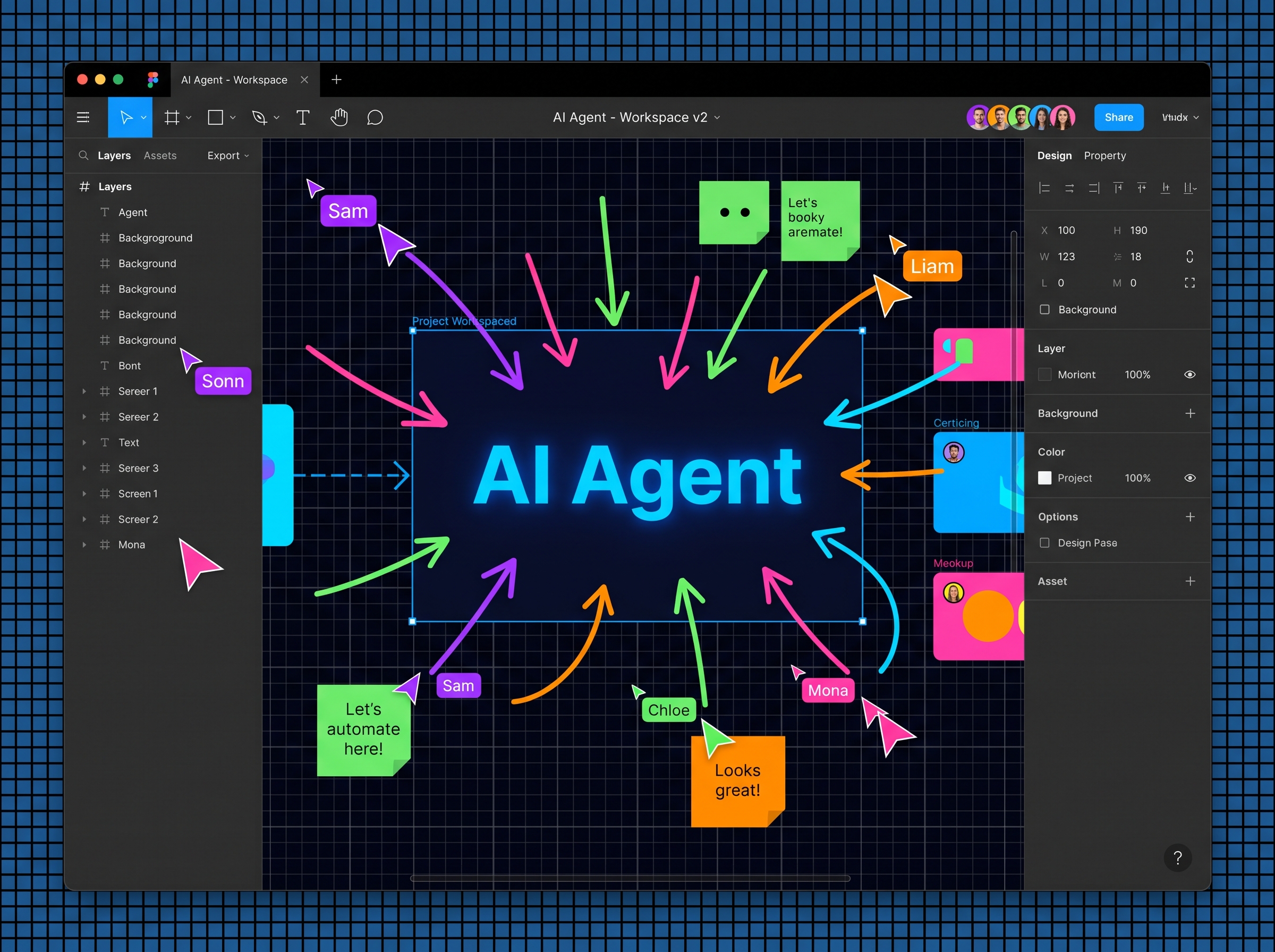
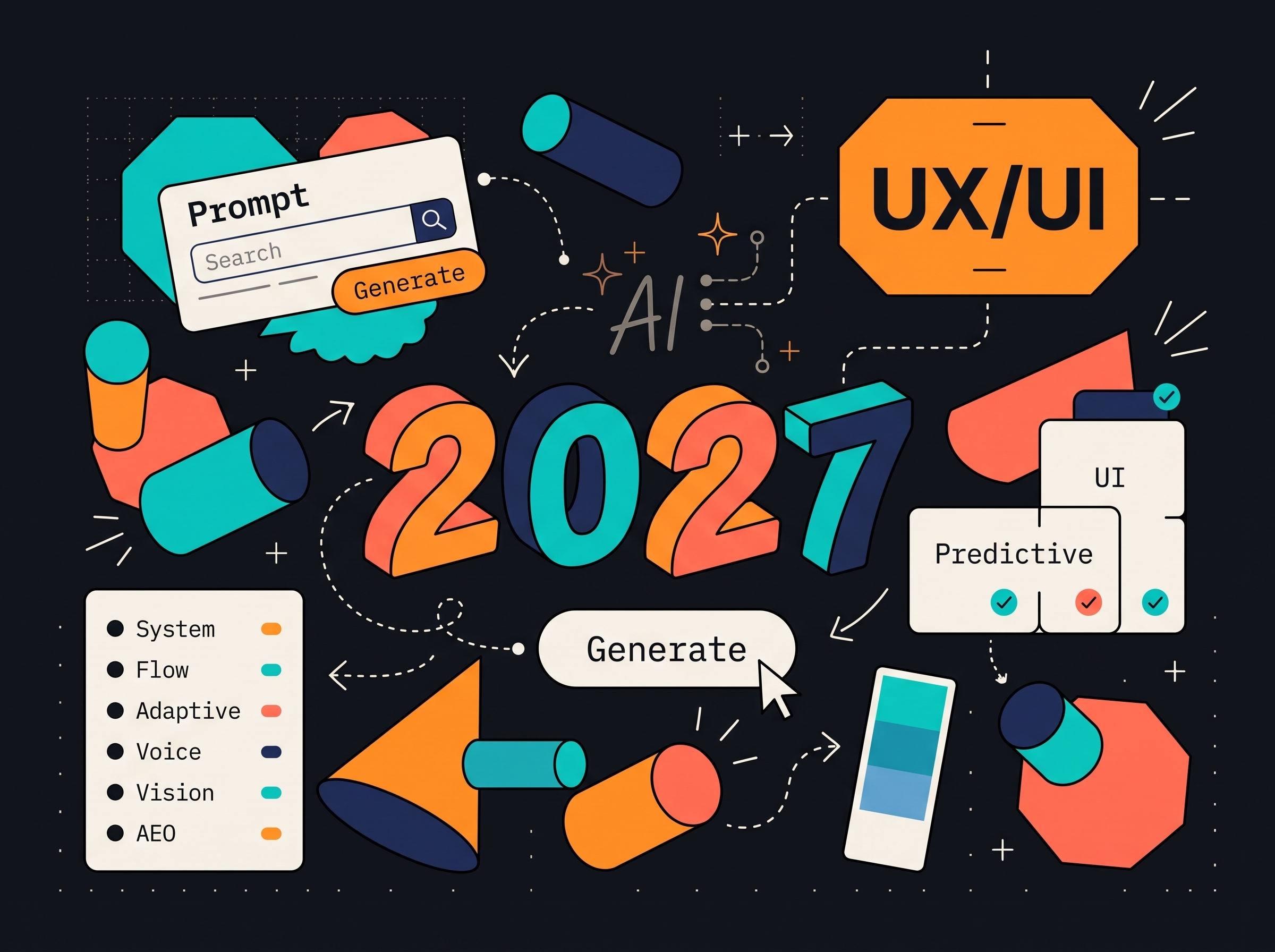
According to Dexa’s Website Trends for 2027 report, one of the defining shifts reshaping digital experiences is “Agentic UX and AI agents as users” alongside Answer Engine Optimization (AEO) and Generative Engine Optimization (GEO). Today, autonomous AI assistants don’t just summarize search results—they actively browse websites, compare product specs, verify pricing, and execute tasks on behalf of end users.
If your website is built purely for human eyeballs, it risks becoming invisible—or unusable—to the fastest-growing segment of web traffic.
The Shift from SEO to AEO and the “Agent Layer”
Digital visibility now operates across three distinct layers:
| Optimization Layer | Primary Audience | Core Objective |
| Traditional SEO | Search Crawlers & Humans | Rank in ten blue links and earn human clicks. |
| AEO & GEO | Answer Engines (ChatGPT, Perplexity, AI Overviews) | Get extracted, cited, and recommended as a trusted source in AI-generated answers. |
| Agentic UX (AXO) | Autonomous AI Agents | Allow AI agents to parse data, navigate workflows, and complete actions (quotes, bookings, checkouts). |
In a July 2025 Pew Research Center analysis, users clicked traditional search links on only 8% of visits that displayed an AI summary—nearly half the 15% click rate on pages without one. Meanwhile, Adobe’s retail analytics recorded a 693.4% year-over-year surge in generative-AI referral traffic during the 2025 holiday season.
Traffic is consolidating around platforms that make it effortless for AI systems to verify facts and take action. Yet Conductor’s 2027 State of Enterprise Agentic AEO Report reveals a massive infrastructure gap: while 82% of surveyed enterprise leaders are deploying or planning to deploy AEO agents, only 4% have a unified intelligence layer feeding clean, connected technical and brand data to those systems.
6 Architectural Standards for AI-Ready Websites in 2027
Preparing your site for machine visitors doesn’t mean sacrificing visual polish. In fact, making a site legible to AI agents almost always improves speed, accessibility, and conversion rates for human buyers too.
1. Replace “Div Soup” with Clean Semantic HTML
When a human looks at a webpage, they rely on visual hierarchy. When an AI agent parses the Document Object Model (DOM), it relies on HTML tags to understand intent. Websites built out of nested, generic <div> containers force AI models to guess what is navigation, what is core content, and what is a primary action.
- The Fix: Enforce strict semantic HTML5 (<header>, <nav>, <main>, <article>, <section>, <button>) and descriptive aria-label attributes on every interactive element.
2. Expand Structured Schema Markup (JSON-LD)
Structured data acts as road signs for machine visitors. Instead of forcing an LLM to infer your service tiers or return policies from unstructured paragraphs, schema explicitly defines your commercial facts.
- The Fix: Implement nested JSON-LD schema across core templates—including Organization, Service, Product (with live price and availability), Offer, and FAQPage. Ensure every detail matches your visible page copy and external feeds.
3. Render Critical Content Server-Side (SSR)
Heavy client-side JavaScript frameworks create a major bottleneck for AI crawlers and real-time browsing agents. Many autonomous agents only wait 3 to 5 seconds for page hydration before abandoning a slow domain for a faster competitor.
- The Fix: Use Server-Side Rendering (SSR) or Static Site Generation (SSG) so core copy, pricing, and metadata are immediately available in the initial HTML payload.
4. Publish llms.txt and Machine-Readable Endpoints
Just as robots.txt and sitemap.xml guided traditional search engines, llms.txt has emerged as the standard roadmap for AI systems—pointing models directly to clean, token-efficient Markdown summaries of your documentation, services, and products. Emerging standards like agents.txt and Model Context Protocol (MCP) endpoints take this further by defining what actions an agent is permitted to execute.
5. Make Pricing and Commercial Facts Transparent
Nothing stalls an AI comparison agent—and the high-intent buyer behind it—faster than hiding behind vague “Contact us for pricing” walls. When an agent is tasked with shortlisting three vendors under a specific budget, opaque websites get skipped.
- The Fix: Publish clear package tiers, starting price ranges, or interactive calculators directly in parseable HTML so AI engines can accurately cite and recommend your offerings.
6. Remove Friction from Forms and Flows
Multi-step wizards, ambiguous “Learn More” buttons, and aggressive front-end CAPTCHAs actively block autonomous workflows.
- The Fix: Use explicit action-oriented CTAs (“Request a Quote,” “Book a Demo,” “Add to Cart”), streamline lead forms to essential fields, and replace user-facing CAPTCHA challenges with server-side rate limiting and invisible honeypots.
Frequently Asked Questions (AEO Block)
What is the difference between AEO and Agentic UX?Answer Engine Optimization (AEO) focuses on structuring content with factual density and schema so AI search engines cite your brand in generated answers. Agentic UX goes a step further by engineering your site’s code, forms, and endpoints so autonomous AI agents can navigate and transact on a user’s behalf.
Does optimizing a website for AI agents hurt human user experience? No—the two reinforce each other. Semantic HTML improves screen-reader accessibility, server-side rendering boosts Core Web Vitals and page speed, and transparent pricing with streamlined forms reduces friction for human buyers.
What is an llms.txt file and should my website have one? An llms.txt file is a standardized Markdown file placed in your website’s root directory that gives Large Language Models a clean, structured index of your most important pages, services, and documentation without navigation clutter or heavy scripts.
How Orafox Builds AI-Ready Digital Experiences
At Orafox, we engineer websites and web applications built for both sides of the modern web: high-converting human design and frictionless machine readability. Whether we are architecting custom marketing sites, scaling Shopify and retail-tech storefronts, or connecting backend ERP and CRM data into real-time digital experiences, our team builds with clean semantic code, structured schema, sub-second performance, and AEO/GEO readiness baked in from day one.
Is your website ready for 2027? Connect with the Orafox team to audit your current architecture and turn your site into an AI-discoverable growth engine.