15 July
Ecommerce Development / Mobile Apps Development / Retail Technology
The DoorDash x Shopify Play: How to Scale Same-Day Local Retail Without Losing Brand Consistency
The landscape of local retail just experienced a massive shift. In a major announcement, DoorDash and Shopify have officially launched a first-of-its-kind, native marketplace integration.
For independent retailers and direct-to-consumer (DTC) brands with physical storefronts, the implications are enormous. The gap between standard e-commerce and instant local delivery has just vanished. However, as thousands of merchants flood this new marketplace, a critical challenge emerges: How do you scale into same-day delivery without diluting your carefully crafted brand identity?
Here is what the recent integration means for your business, and how you can win the on-demand scroll while maintaining absolute brand consistency.
The Big News: Explaining the DoorDash x Shopify Integration
To understand where your brand fits into this new ecosystem, it helps to understand exactly what this partnership does. Historically, if a Shopify merchant wanted to sell products on a local delivery app like DoorDash, it required a painful, fragmented workflow. Merchants had to manage a separate merchant portal, manually upload product spreadsheets, and constantly battle inventory discrepancies between their online store and the delivery app.
The new integration changes everything by embedding DoorDash directly into the Shopify ecosystem as a native sales channel.
Here is how it works under the hood:
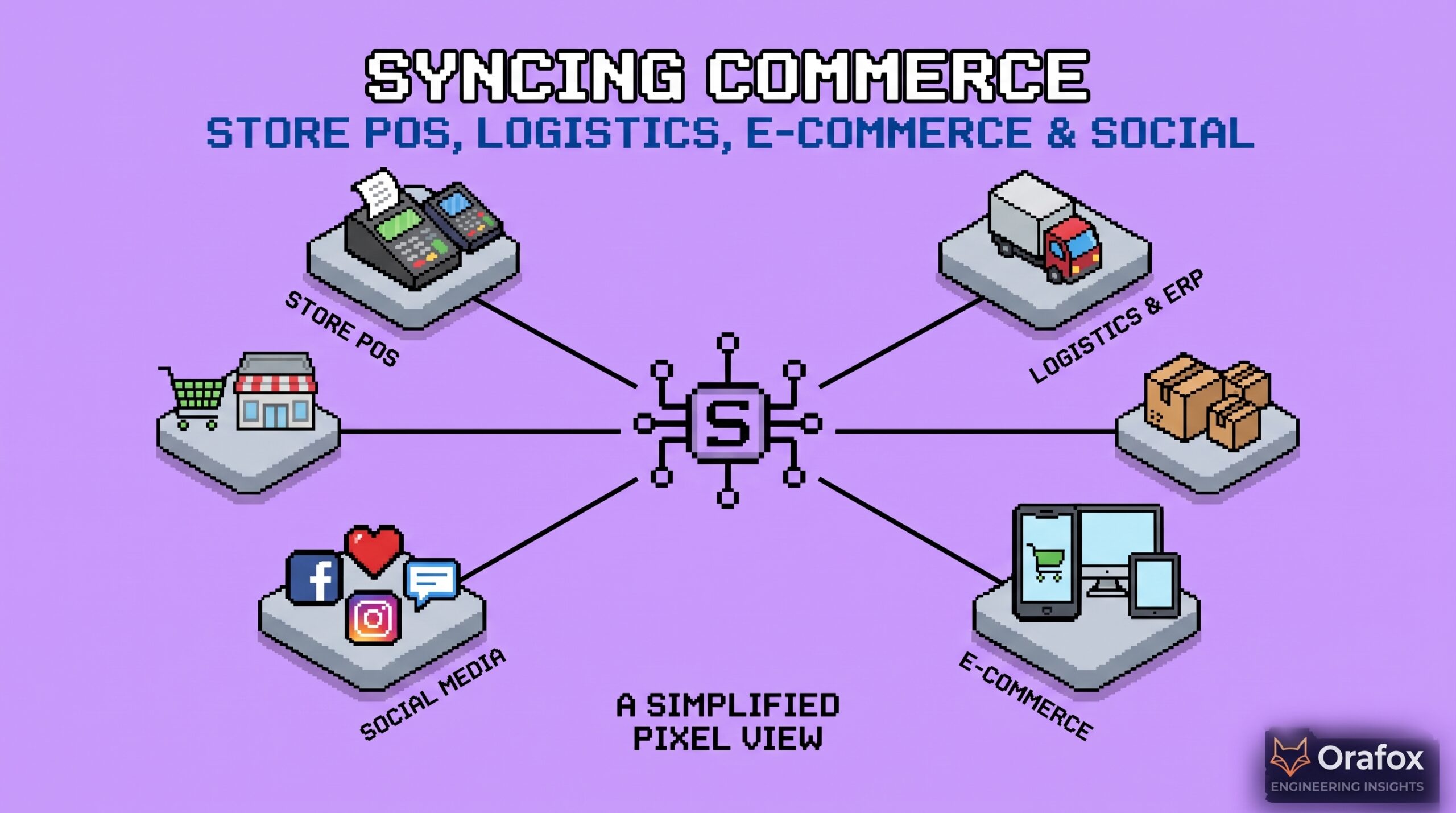
- Instant Catalog Synchronization: Merchants can sync their existing Shopify product catalogs and real-time physical inventory directly to the DoorDash marketplace in a matter of days.
- Automated Inventory Control: When a local customer orders an item via DoorDash, your Shopify inventory updates automatically in the background, entirely eliminating the risk of overselling or displaying out-of-stock items.
- The “Dasher” Fulfillment Network: Merchants instantly unlock access to DoorDash’s massive network of local delivery drivers, allowing them to offer same-day delivery without hiring their own fleet.
In short, it turns your Shopify admin into a command center for instant local commerce, exposing your products to millions of active, high-intent buyers looking for immediate fulfillment.
The Friction Point: The Danger of the “Marketplace Blur”
While the operational friction has been eliminated, the creative friction has just begun.
When you list your products on a massive third-party marketplace like DoorDash, you are entering a highly standardized, fast-scrolling digital environment. On DoorDash, your brand is forced to live side-by-side with hundreds of other local businesses, all formatted into the exact same grid layout.
If you simply auto-sync your raw Shopify catalog without a dedicated visual strategy, your brand risks falling victim to the “Marketplace Blur.” Standard white-background product shots that look great on a clean, minimalist Shopify store can easily look sterile, generic, or completely invisible when compressed into a fast-paced delivery app interface.
When consumers are scrolling with the intent to buy right now, you have fractions of a second to capture their attention, communicate your premium quality, and build trust.
The Playbook: Scaling Same-Day Delivery with Total Brand Consistency
Winning the DoorDash x Shopify play requires treating the delivery marketplace not just as a distribution channel, but as a premium digital storefront. Here is how to scale successfully:
1. Optimize Assets Specifically for “Micro-Moments”
App shoppers behave differently than desktop web shoppers. They glance at small thumbnails on mobile screens while on the go. Your visual assets must be optimized for these high-speed micro-moments. This means using high-contrast imagery, clear product framing, and vibrant, recognizable color palettes that instantly pop against the app’s native interface.
2. Craft Cohesive “Digital Menus”
On your website, customers can explore your story via an “About Us” page or immersive collection layouts. On a delivery app, your “menu” architecture is your story. Grouping your products into intuitive, branded collections (e.g., “Weekend Reset Kit” or “Local Favorites”) using consistent, high-quality visual assets ensures that the premium experience of your main website carries over flawlessly.
3. Anchor the Experience with Distinct Localized Branding
Just because the transaction happens on a third-party app doesn’t mean the brand relationship ends there. Your digital marketplace presence must seamlessly align with your physical packaging and your core website. When a customer receives their DoorDash order at their doorstep, the visual branding on the app should match the premium unboxing experience in real life.
Let Orafox Elevate Your Instant Commerce Strategy
The DoorDash and Shopify integration represents a massive growth frontier for local retail, but operational readiness is only half the battle. To truly capitalize on this shift, your digital catalog needs to look elite.
At Orafox, we specialize in creating high-impact digital asset designs, cohesive visual branding systems, and optimized product imagery tailored for modern, multi-channel commerce. We help you bridge the gap between operational tech and beautiful design—ensuring that no matter where a customer finds your products, they experience your brand at its absolute best.
Ready to dominate the local marketplace scroll? [Contact Orafox today] to find out how we can optimize your visual assets for the new era of instant commerce.