24 February
Ecommerce Development / Mobile Apps Development / Retail Technology / Website Design & Development
Shopify Ecommerce Trends for 2026: How Brands Can Lead the Next Wave of Digital Commerce
Ecommerce is entering its next evolution — and 2026 is shaping up to be a defining year for merchants building on Shopify. The days of basic online storefronts are over. Today’s most competitive brands are investing in AI-driven personalization, headless commerce, immersive mobile experiences, and unified commerce systems to stay ahead.
For growing and enterprise-level merchants, success in 2026 will come down to how well your ecommerce experience adapts to customer behavior, technology shifts, and performance expectations.
Below, we break down the top Shopify ecommerce development trends for 2026 — and how forward-thinking brands can leverage them to drive growth.
1. AI-First Commerce Is Becoming the Standard
Artificial intelligence is no longer an add-on — it’s becoming the backbone of modern ecommerce.
In 2026, Shopify merchants are using AI to:
- Personalize storefronts in real time
- Deliver smarter product recommendations
- Optimize pricing and promotions dynamically
- Automate content creation and merchandising workflows
- Improve customer support with AI assistants
Rather than static customer journeys, AI enables individualized shopping experiences based on behavior, intent, and historical data.
Why it matters:
AI-powered stores convert better, retain customers longer, and operate more efficiently — all while reducing manual overhead.
2. Headless & Composable Commerce Unlock Total Flexibility
Headless commerce continues to accelerate as brands look for greater control over user experience and performance.
By decoupling Shopify’s backend from the frontend:
- Developers can build lightning-fast custom storefronts
- Brands can design unique experiences across web, mobile, and apps
- Teams can integrate best-in-class tools without platform constraints
Composable commerce goes a step further, allowing brands to assemble a tailored stack using APIs for search, CMS, payments, analytics, and personalization.
Why it matters:
Headless architecture future-proofs ecommerce operations while unlocking advanced customization and scalability.
3. Mobile-First & Immersive Shopping Experiences Dominate
Mobile commerce continues to lead purchasing behavior — but expectations are higher than ever.
In 2026, high-performing Shopify stores focus on:
- Mobile-first UX and performance optimization
- Progressive Web Apps (PWAs)
- App-like checkout experiences
- AR and 3D product visualization
- Faster page loads and frictionless navigation
Immersive product experiences reduce returns and increase buyer confidence, especially for fashion, home goods, and lifestyle brands.
Why it matters:
Mobile shoppers won’t wait. Performance and experience directly impact conversion rates.
4. Subscription, Loyalty & Flexible Payment Models Drive Retention
Customer acquisition costs continue to rise — making retention a core growth strategy.
Top Shopify merchants in 2026 are investing in:
- Subscription-based purchasing
- Loyalty and rewards programs
- Buy Now, Pay Later (BNPL) integrations
- Personalized post-purchase experiences
These models increase lifetime value while creating predictable revenue streams.
Why it matters:
Retention-focused commerce builds long-term brand equity and stabilizes growth.
5. Sustainability Is Now a Conversion Factor
Sustainability has shifted from a brand value to a buying decision driver.
Modern Shopify stores are highlighting:
- Ethical sourcing and transparency
- Sustainable packaging
- Carbon-neutral shipping options
- Environmentally conscious messaging throughout the UX
Consumers increasingly expect brands to align with their values — and Shopify merchants are responding through smarter design and storytelling.
Why it matters:
Sustainability influences trust, loyalty, and conversion — especially among younger demographics.
6. Unified & Omnichannel Commerce Is the New Baseline
Customers expect seamless experiences across every touchpoint.
In 2026, Shopify merchants are aligning:
- Online storefronts
- Marketplaces
- Social commerce
- Physical retail systems
- Customer data and inventory management
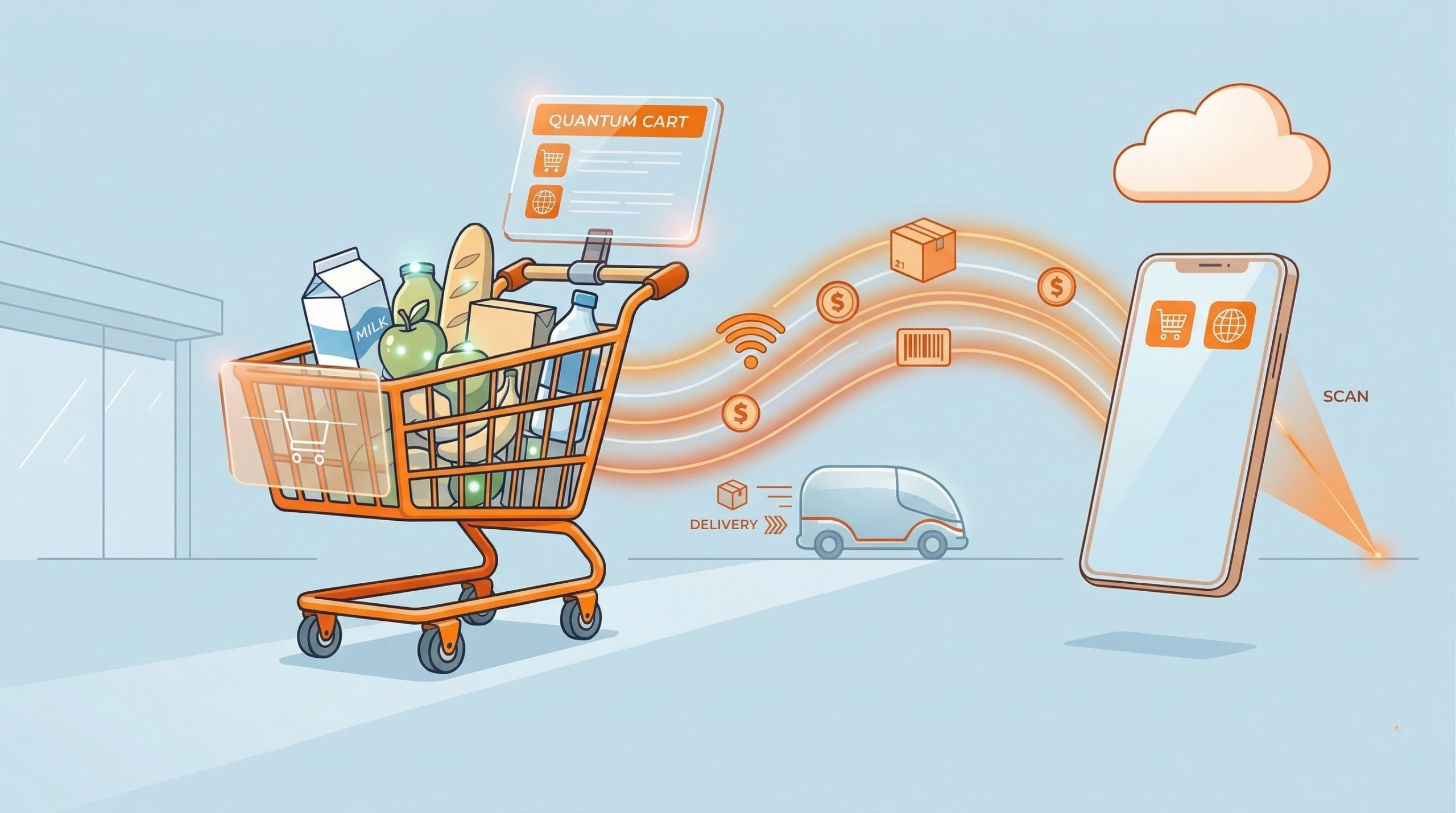
Unified commerce ensures consistent pricing, inventory visibility, and customer experience — regardless of where a purchase starts or finishes.
Why it matters:
Disconnected systems create friction. Unified commerce creates confidence and convenience.
How Orafox Helps Brands Build for Shopify in 2026
At Orafox, we help ecommerce brands move beyond templates and limitations by building custom Shopify solutions designed for performance, scale, and future growth.
Our team specializes in:
- Headless and composable Shopify development
- AI-driven personalization and automation
- High-performance mobile and web experiences
- Secure integrations with third-party tools and APIs
- Ecommerce systems built to evolve with your business
Whether you’re modernizing an existing Shopify store or launching a new digital commerce experience, we help you stay ahead of what’s next.
Final Thoughts: Building Shopify Stores That Win in 2026
The most successful Shopify brands in 2026 won’t just follow trends — they’ll design experiences around speed, intelligence, personalization, and flexibility.
By embracing AI, headless commerce, mobile-first UX, and unified systems, ecommerce brands can deliver standout experiences that convert customers and scale effortlessly.
Connect with the Orafox team today and start your Shopify experience