13 May
Mobile Apps Development / Website Design & Development
The Future of Mobile Apps: Top Development Trends Shaping 2026
Mobile apps are no longer just digital tools — they are becoming intelligent ecosystems designed to predict behavior, personalize experiences, and automate workflows in real time.
In 2026, the mobile landscape is evolving faster than ever. Businesses are moving beyond simple functionality and investing in AI-native platforms, seamless cross-platform experiences, and scalable mobile ecosystems that drive long-term engagement and operational efficiency. Industry analysts and developers alike are seeing major shifts toward AI-first development, edge computing, conversational UX, and privacy-focused engineering. (YouWare)
For brands looking to stay competitive, mobile innovation is no longer optional — it’s foundational.
At Orafox, we work with growing businesses and enterprise brands to develop intelligent, scalable mobile experiences that align technology with real-world business goals. From eCommerce optimization to AI-powered workflows, modern mobile development is about creating systems that evolve alongside users.
AI-Native Apps Are Becoming the New Standard
One of the biggest shifts shaping mobile development in 2026 is the transition from “AI-enhanced” apps to fully AI-native platforms.
Instead of adding AI as a feature layer, businesses are now designing applications where AI is integrated directly into the core architecture. These systems can personalize interfaces, automate repetitive workflows, deliver predictive recommendations, and adapt dynamically based on user behavior.
Users now expect:
- Intelligent recommendations
- Conversational interfaces
- Real-time personalization
- Predictive workflows
- Voice-enabled interactions
- Automated customer support
This evolution is changing how companies approach product development entirely.
At Orafox, AI integration is increasingly becoming a core component of mobile strategy. Whether implementing intelligent search, workflow automation, or AI-driven customer experiences, businesses are prioritizing applications that can reduce friction and improve engagement at scale.
Recent advancements from major platforms like Android’s Gemini Intelligence also demonstrate how deeply AI is being embedded into the future mobile ecosystem. (PowerGateSoftware)
Cross-Platform Development Is Dominating the Industry
Businesses today need to launch faster, maintain consistency across devices, and reduce development overhead.
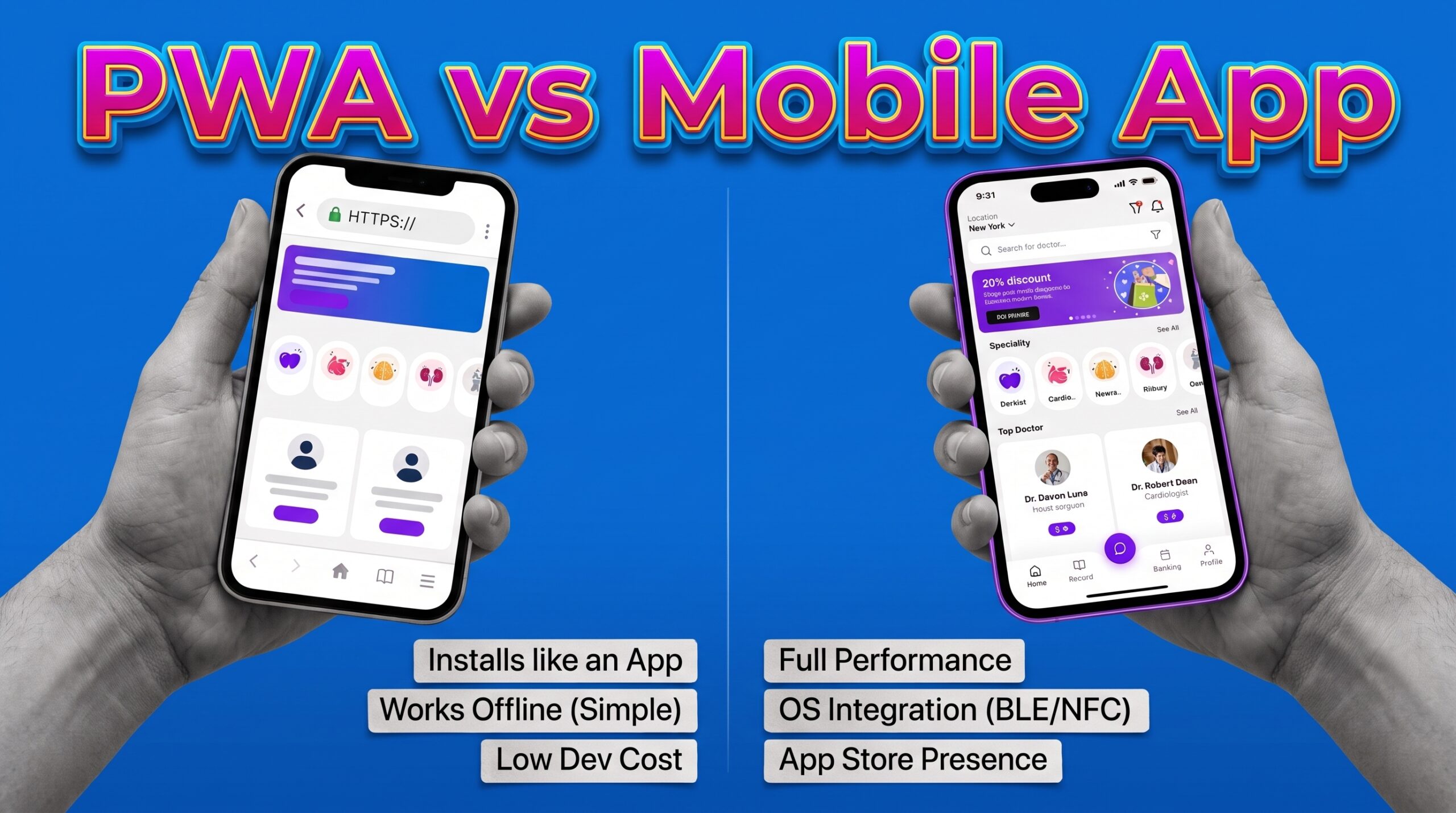
That’s why frameworks like React Native and Flutter continue to dominate mobile development in 2026. Modern cross-platform frameworks now achieve near-native performance while dramatically reducing build timelines and maintenance costs.
Instead of maintaining separate iOS and Android codebases, companies can now:
- Accelerate deployment cycles
- Improve scalability
- Streamline updates
- Maintain brand consistency
- Reduce operational costs
For growth-stage brands and enterprise organizations alike, this flexibility creates a major competitive advantage.
Orafox specializes in scalable cross-platform mobile development that balances speed, performance, and user experience. By leveraging modern frameworks and cloud-native infrastructure, teams can rapidly launch applications without sacrificing long-term scalability.
Performance Is the New User Experience
Users no longer tolerate slow, clunky applications.
As 5G adoption expands and edge computing matures, customers expect real-time responsiveness, instant load times, and seamless experiences across every device.
In 2026, performance optimization is directly tied to retention and conversion rates.
Businesses are investing heavily in:
- Edge computing
- On-device AI processing
- Offline-first functionality
- Lightweight architectures
- Real-time synchronization
- Intelligent caching systems
The result is faster, more responsive mobile experiences that feel personalized and frictionless.
For customer-facing brands, this can significantly impact engagement metrics, customer loyalty, and mobile commerce performance.
Super Apps and Ecosystem Platforms Are Expanding Globally
Another major trend reshaping mobile development is the rise of “super apps.”
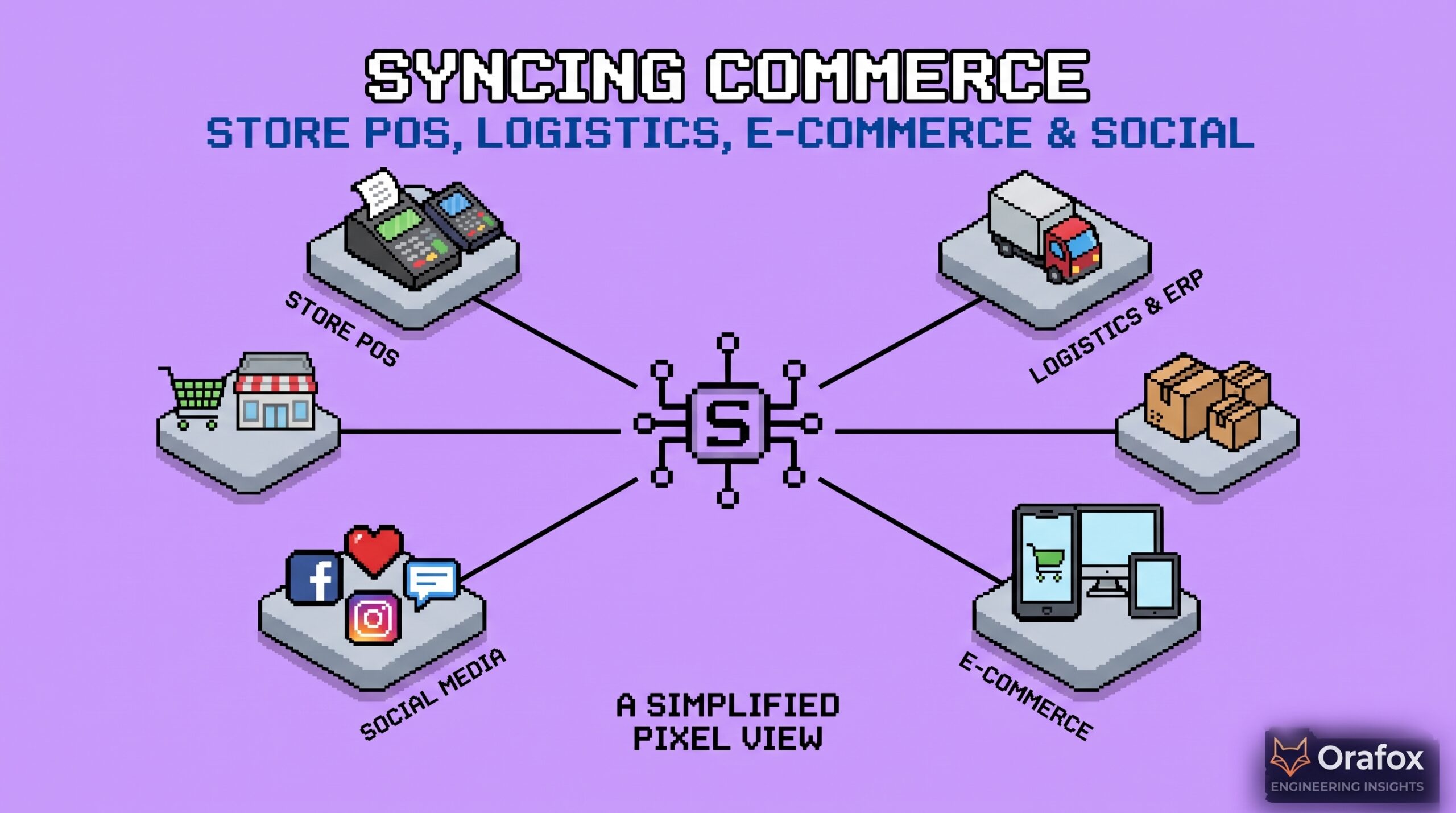
Rather than forcing users to move between multiple platforms, super apps combine services like payments, loyalty programs, shopping, messaging, and customer support into a single unified experience.
This model has already transformed digital ecosystems in Asia and is now expanding globally.
Businesses are increasingly exploring:
- Modular app ecosystems
- Embedded commerce
- Integrated loyalty platforms
- Unified customer experiences
- API-driven service layers
However, building scalable super apps requires sophisticated backend architecture, API orchestration, and long-term scalability planning.
Orafox helps brands architect connected digital ecosystems that support growth while maintaining intuitive user experiences and scalable infrastructure.
Privacy-First Engineering Is Becoming Essential
As AI adoption grows, users are becoming more aware of how their data is collected and used.
Privacy and security are no longer just compliance requirements — they are competitive differentiators.
Modern mobile applications are increasingly adopting:
- End-to-end encryption
- On-device processing
- Zero-knowledge architectures
- Permission transparency
- Secure authentication systems
Consumers now expect businesses to prioritize trust alongside functionality.
For brands operating in retail, healthcare, finance, and eCommerce, secure mobile architecture is critical for long-term customer retention and platform scalability.
How Orafox Supports Modern Mobile Innovation
At Orafox, we focus on helping businesses build scalable mobile experiences designed for the future of digital engagement.
Our team supports organizations through:
- Mobile app strategy and architecture
- Cross-platform iOS and Android development
- UX/UI optimization
- AI integration and automation
- eCommerce and retail app development
- API and cloud infrastructure implementation
- Ongoing maintenance and scalability support
Our experience supporting innovative retail and commerce-focused businesses — including work with Erewhon and independent grocery brands — has reinforced the importance of creating digital experiences that combine usability, performance, and operational efficiency.
As customer expectations continue evolving, businesses need mobile platforms capable of adapting quickly while delivering seamless user experiences across every touchpoint.
The Future of Mobile Is Intelligent, Connected, and Adaptive
The next generation of mobile apps will not simply respond to users — they will anticipate needs, automate processes, and create highly personalized digital experiences.
AI-native systems, real-time infrastructure, cross-platform scalability, and intelligent UX are no longer emerging concepts. They are quickly becoming the baseline for competitive mobile products in 2026.
Businesses that invest early in scalable mobile innovation will be positioned to improve customer engagement, optimize operations, and adapt faster to future market shifts.
As the mobile ecosystem continues evolving, the companies that succeed will be the ones building experiences designed not only for today’s users — but for tomorrow’s expectations.