08 July
Mobile Apps Development / Staffing Development / Website Design & Development
Moving Past the Tap: Designing “Zero-UI” and Generative Interfaces for Mobile Apps
Look at the apps on your phone right now. No matter what they do—banking, shopping, or fitness tracking—they almost all rely on the exact same structural paradigm: a fixed tab bar at the bottom, a sea of cards to scroll through, and endless forms to tap through.
For the last decade, mobile design has been static. We map out rigid user journeys, build rigid wireframes, and expect users to adapt to our flow.
But a massive shift is happening. As AI embeds itself into mobile operating systems and app architectures, the traditional interface is fracturing. We are moving away from the “tap-and-scroll” era and entering the age of Zero-UI and Generative Interfaces—where apps adapt dynamically to the user in real time.
At Orafox, we aren’t just watching this evolution happen; we are actively architecting it into our clients’ new mobile builds. Here is what the next generation of mobile experiences looks like, and exactly how we build them.
What is Zero-UI and Generative Design?
To build for the future, we first have to redefine how a user interacts with a screen.
- Zero-UI: This refers to experiences where the interaction happens seamlessly in the background via voice, predictive data, glanceable widgets, or contextual triggers, eliminating the need for a traditional screen-heavy interface.
- Generative UI (GenUI): Instead of rendering a static, hard-coded layout, the application uses front-end component libraries and AI orchestration layers to generate custom interface layouts on the fly, tailoring the view strictly to what the user needs at that exact split-second.
The Shift: In a classic app layout, every user sees the same dashboard. In an app utilizing Generative UI, the interface itself rewrites its layout based on user intent.
Real-World Spotlight: How Verbix.ai Productizes Contextual UX
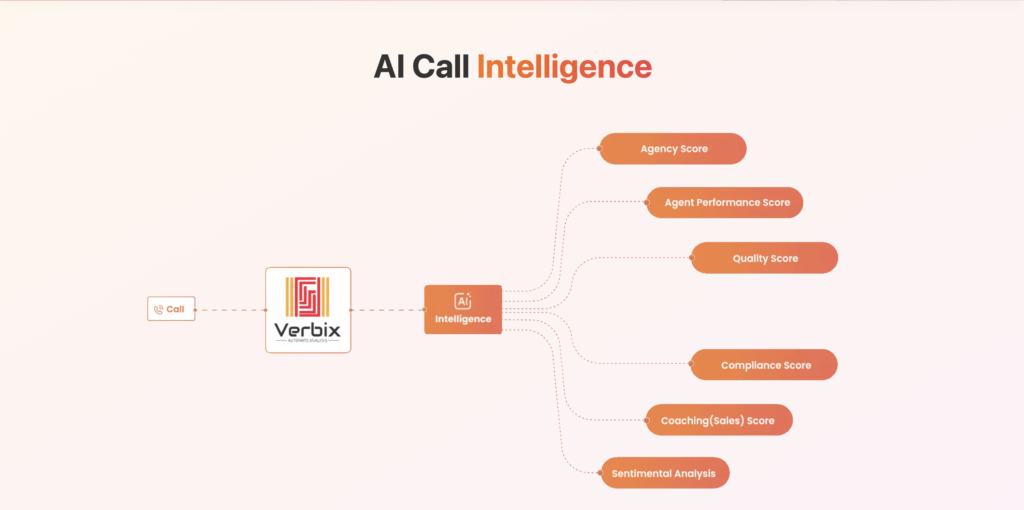
To see the massive business value of this shift in action, look no further than Verbix.ai, a next-gen conversation intelligence platform. Verbix handles massive volumes of data—processing real-time call recordings, transcriptions, sentiment analysis, and compliance tracking for contact centers and sales teams.
If Verbix used a traditional, static layout, users would be buried under endless rows of complex charts, tabs, and nested filters. Instead, their system relies heavily on context-driven UX principles to surface information precisely when a manager or agent needs it:
- Intent-Driven Summaries: Rather than forcing managers to read a wall of text or navigate multiple panels to dissect a call, Verbix uses an AI orchestration layer to instantly generate “Smart Notes.” The interface dynamically shifts to highlight key moments, call intent, and specific regulatory compliance checklist scores based on what went wrong or right during the conversation.
- Contextual Alerting Over Endless Dashboards: When an agent struggles with script compliance or a customer’s sentiment drops rapidly, the interface avoids data clutter. It dynamically generates a targeted coaching node or a high-priority action card.
By turning dense call data into glanceable, fluid interfaces, platforms like Verbix save teams hours of manual review time—turning raw call data into immediate, visual action items. Check out Verbix today.
The Orafox Blueprint: How We Implement Next-Gen UI/UX in New Builds
Building a context-aware application like Verbix requires a complete departure from traditional software engineering. You can’t just slap an LLM API onto a standard template.
When Orafox builds a next-generation mobile application from scratch, we use a three-pillared framework to merge advanced AI capabilities with rock-solid, production-ready code.
1. Dynamic Component Orchestration
Instead of building monolithic pages, our UI/UX team designs modular atomic design systems. We build standalone, highly flexible micro-components (e.g., specific data visualizations, quick-action cards, or checkout nodes).
When a user opens the app, an AI orchestration layer determines their immediate intent and passes structural instructions to the front-end framework (like Flutter or React Native). The application then dynamically fits those modular pieces together, creating a totally unique interface layout optimized purely for that user’s immediate goal.
2. Intent Parsing via Lightweight On-Device Models
Privacy and latency are the two biggest killers of mobile AI experiences. If a user has to wait three seconds for a cloud server to process their action, the magic of a dynamic interface is gone.
Orafox optimizes new builds by utilizing lightweight, on-device AI frameworks like Apple’s CoreML and Google’s MediaPipe. By processing natural language commands, user behavior patterns, and device sensor data locally on the phone, the app can predict user intent and alter the interface instantly—all while keeping user data secure on their own device.
3. Graceful Fallbacks & Predictive UX
True innovation requires reliability. A generative interface shouldn’t feel erratic or unpredictable.
Our engineering approach uses a “Predictive UX Guardrail” system. We define strict structural layouts that the AI must play within. If the user’s intent is ambiguous, the app seamlessly defaults back to a beautiful, highly polished minimalist core layout. The user gets a fluid experience every single time, with zero broken layouts or jarring visual shifts.
Why This Matters for Your Business Bottom Line
Moving away from static design isn’t just about looking futuristic—it solves major business friction points:
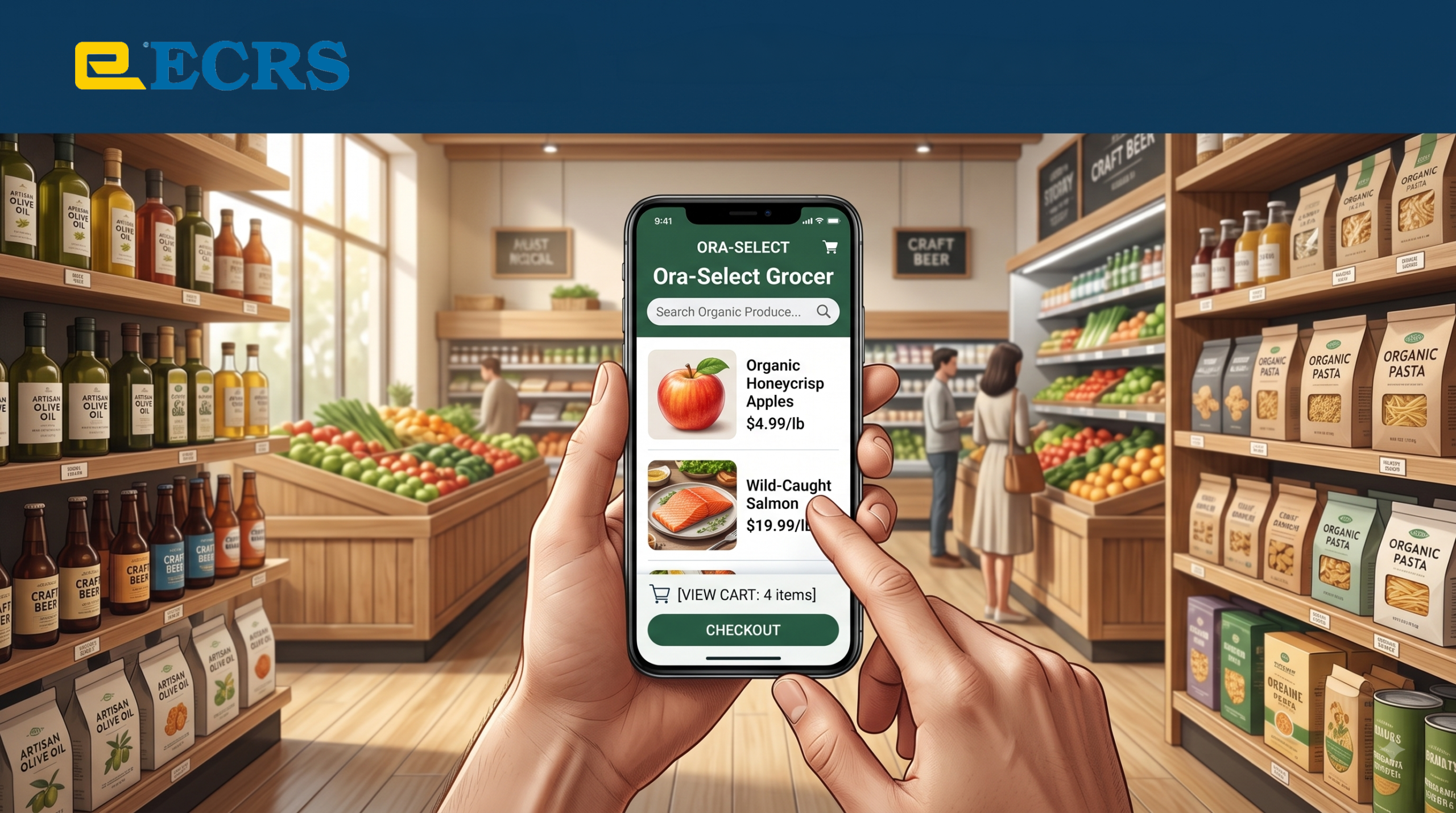
- Skyrocketing Conversion Rates: By eliminating unnecessary steps in a user journey, you remove drop-off points. If a checkout page dynamically simplifies itself based on a user’s past behavior, the friction to buy drops to near zero.
- Hyper-Personalization at Scale: Instead of running endless A/B tests to find one layout that pleases the majority, your application inherently optimizes itself for every single individual user.
- Future-Proofed Architecture: Building with modular, AI-ready architecture means your application is structurally prepared for the next wave of wearable tech, spatial computing, and system-level smart assistants.
Let’s Build What’s Next
The companies that win the next digital era won’t be the ones with the most buttons; they will be the ones that make their technology feel invisible.
Whether you are launching a complex enterprise platform or a disruptive consumer app, Orafox combines cutting-edge AI integration with elite UI/UX design to build digital products that feel intuitive, elegant, and entirely human.
Ready to design your next mobile application? Let’s build an experience that redefines your industry. Reach out to the Orafox team today.